
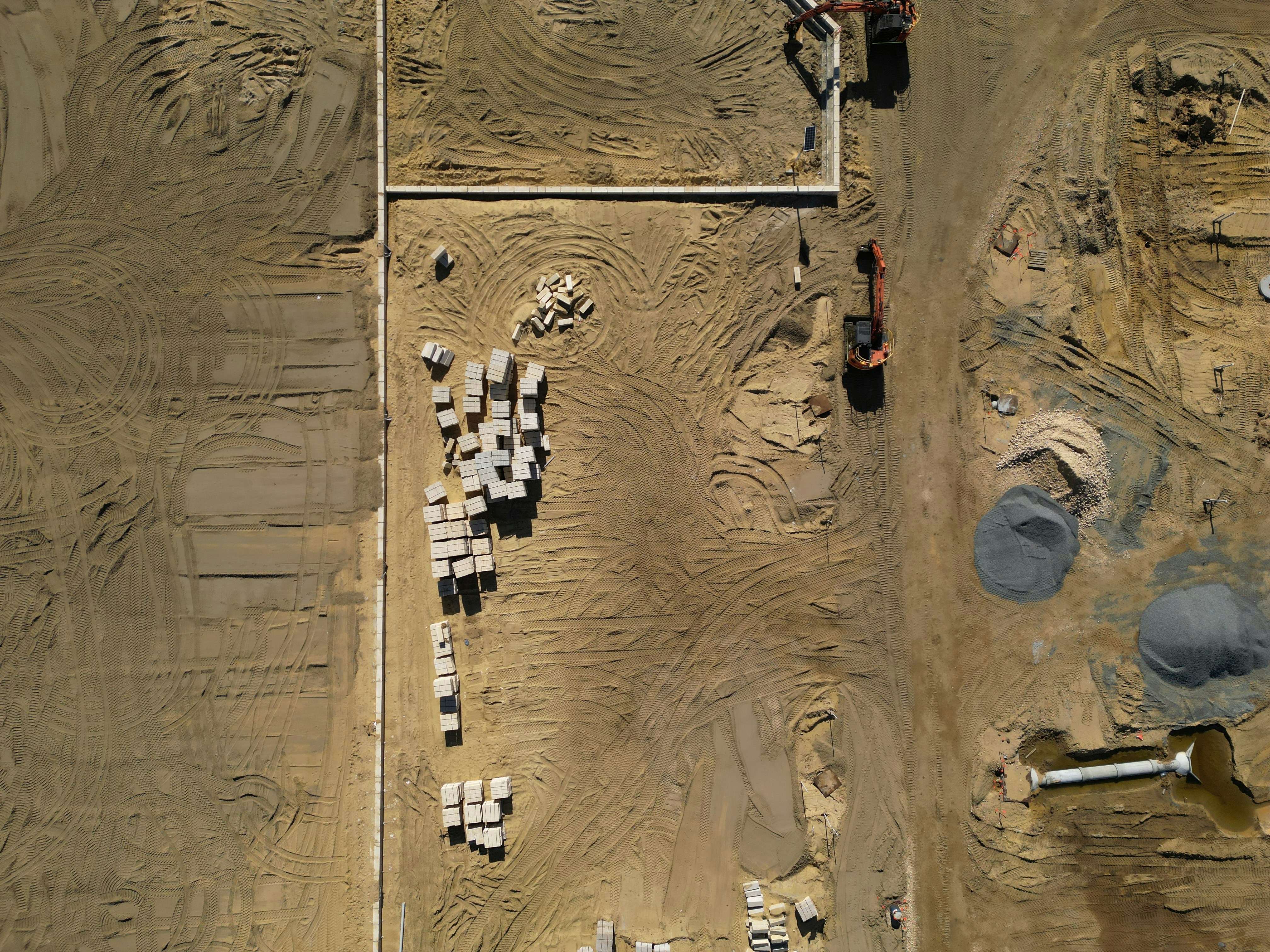


A Plan of Development (POD) is a detailed document that describes how a project will be constructed, operated, and maintained on federal land.
A Plan of Development (POD) is a required component of many federal land authorizations. It provides a comprehensive description of the proposed project and how it will be carried out.
The POD typically includes details on project design, construction methods, site layout, access, operations, and maintenance. It also outlines how the project will address environmental, cultural, and resource considerations.
Federal agencies use the POD to evaluate the project for consistency with land use plans, regulatory requirements, and environmental review under NEPA. The level of detail required depends on the project type and complexity.
The POD becomes part of the official record and forms the basis for agency review, decision-making, and the conditions included in the final authorization.
Yes, a project can be denied if it does not comply with applicable laws, conflicts with land use plans, or cannot meet required conditions for approval.
Federal agencies evaluate whether a proposed project complies with applicable laws, regulations, and land use plans before issuing an authorization.
If a project conflicts with these requirements or its impacts cannot be adequately addressed, the agency may deny the application.
In many cases, agencies will first require revisions, additional information, or mitigation measures to resolve identified issues. If those issues cannot be resolved or brought into compliance, the project may ultimately be denied.
After submission, the application is reviewed for completeness, enters agency processing, and is evaluated across multiple disciplines before a decision is issued.
After submission, the application is reviewed by the agency for completeness. Once accepted, it is typically serialized and entered into the agency’s processing system.
The project then moves through a multi-disciplinary review, where different specialists evaluate it for consistency with statutory authority, land use plans, environmental requirements, and technical considerations.
During this process, the agency may request additional information, require revisions, or coordinate with other agencies and stakeholders. Environmental review under NEPA is conducted if applicable.
This review process is often iterative, meaning issues may be identified and addressed in stages before the agency prepares a final decision and, if approved, issues the authorization.
A federal permitting application includes a detailed project description, maps, technical information, and supporting materials needed for the agency to evaluate the proposed use.
A federal permitting application must provide enough detail for the agency to evaluate the project for consistency with applicable laws, land use plans, and environmental requirements.
At a minimum, applications typically include a clear project description, location maps and exhibits, and engineering or design information that defines the scope and footprint of the proposed use.
Applications also include supporting materials that address environmental and resource considerations. Depending on the project, this may involve biological, cultural, or other technical studies, as well as information needed to support environmental review under NEPA.
In addition, applicants must provide sufficient detail for the agency to determine the appropriate authorization type, assess potential impacts, and identify any required mitigation measures or conditions.
Specific requirements vary by agency and authorization type, but the overall purpose is to present a complete and accurate representation of the project so it can be fully evaluated during review.
Federal land permitting timelines vary depending on the project but typically range from several months to multiple years based on complexity and required review.
There is no fixed timeline for federal land permitting. The duration depends primarily on project complexity and the level of environmental review required under NEPA.
Projects that qualify for a categorical exclusion may be processed more quickly, while those requiring an Environmental Assessment (EA) or Environmental Impact Statement (EIS) can take significantly longer.
Additional factors include the completeness of the application, the number of agencies involved, required studies or surveys, and agency workload. Projects involving multiple disciplines or unresolved issues typically take longer to complete.
NEPA is a federal law that requires agencies to evaluate environmental impacts before making decisions on projects involving federal action.
The National Environmental Policy Act (NEPA) is a federal law that requires agencies to assess the environmental effects of proposed actions before making a decision.
NEPA is a procedural requirement, meaning it does not approve or deny a project but ensures environmental impacts are evaluated and disclosed.
Depending on the scope of the project, NEPA review may involve a Categorical Exclusion (CE), Environmental Assessment (EA), or Environmental Impact Statement (EIS). The level of review is determined by the potential for environmental impact.
NEPA is often a key component of the federal permitting process because agencies must complete the required level of environmental review before issuing an authorization.
A right-of-way is a federal authorization that allows the use of public land for infrastructure such as roads, pipelines, transmission lines, and communication systems.
A right-of-way (ROW) is a legal authorization issued by a federal agency that allows a project to use a specific portion of federal land for infrastructure development.
ROWs typically cover the construction, operation, and maintenance of facilities such as transmission lines, pipelines, communication systems, access roads, and related infrastructure.
A right-of-way does not convey ownership of the land. The terms, conditions, duration, and permitted use are defined by the issuing agency and must comply with applicable federal laws, regulations, and land use plans.
Federal land permitting is typically managed by agencies such as the Bureau of Land Management, U.S. Forest Service, Bureau of Reclamation, and other federal land management agencies.
The agency responsible for permitting is determined by who manages the land where the project is located.
Primary federal land management agencies include the Bureau of Land Management (BLM), U.S. Forest Service (USFS), Bureau of Reclamation (BOR), Bureau of Indian Affairs (BIA), and Bureau of Ocean Energy Management (BOEM).
Other agencies, such as the National Park Service (NPS), U.S. Fish and Wildlife Service (USFWS), and Department of Defense (DoD), manage specific federal lands and may act as the lead agency depending on the project location.
In addition to the lead agency, other federal, state, or local agencies may participate in the review process, particularly for environmental, cultural, or resource-related considerations.
Projects that use, cross, or depend on federal land—such as infrastructure, energy, communications, and access—typically require federal authorization.
Federal authorization is required for projects that involve the use of federally managed land. This includes construction, operation, and maintenance of projects on and across public land.
Common examples include transmission lines, pipelines, communication sites, access roads, mineral development, and public-purpose facilities.
Authorization may also be required for projects adjacent to federal land if access, utilities, or land tenure actions depend on federal property.
Federal land permitting is the process of obtaining authorization from a federal agency to use, access, or develop land managed by the U.S. government.
Federal land permitting refers to the formal process required to obtain authorization for activities on federally managed land. This includes uses such as infrastructure development, site-based facilities, access routes, and resource-related activities.
Authorizations may take the form of rights-of-way, leases, permits, or land tenure actions, depending on the project and the governing agency.
Federal agencies, such as the Bureau of Land Management and U.S. Forest Service, review applications to ensure the proposed use complies with land use plans, environmental requirements, and applicable federal laws before issuing a decision.